

Greece
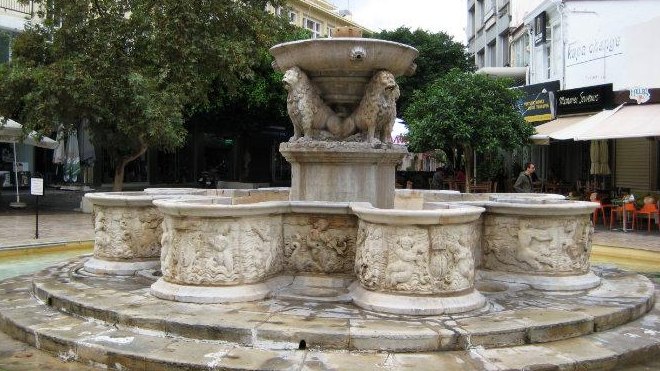
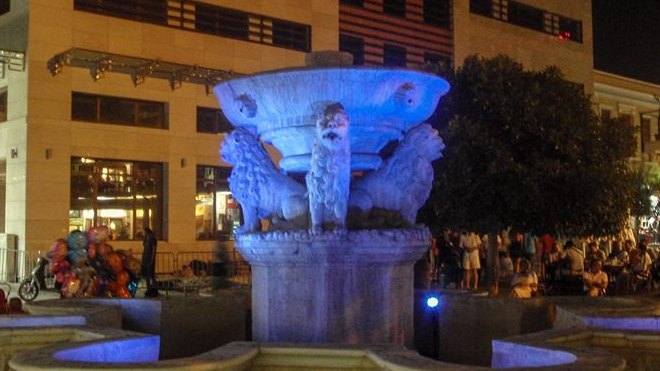
The Fountain of the Lions or "Lions" is one of the central parts of the city. It is well known except by locals and foreigners. The fountain was built in 1628 by General Provisioner Francesco Morosini to help supply water to the city, which suffered from water scarcity.
The Fountain of the Lions
The Fountain of the Lions or "Lions" is one of the central parts of the city. It is well known except by locals and foreigners. The fountain was built in 1628 by General Provisioner Francesco Morosini to help supply water to the city, which suffered from water scarcity. The water that gave generously to the inhabitants came from the mountain Zeus. The Fountain is adorned with various architectural ornaments, such as armorial bearings, mythological scenes, etc. Over lions stood a statue of Neptune, which is no longer extant. During the Ottoman contributions made to the monument and placed a kind cab ride from the Fountain.
Στην σύγχρονη εποχή έγιναν κάποιες παρεμβάσεις προς συντήρηση του μνημείου. Στο σημείο δίνονται πολλά ραντεβού από τους ντόπιους. Δίπλα εκεί βρίσκεται και ένα ρολόι το οποίο συμπληρώνει την εικόνα της πλατείας.
The exhibits of the Mycenae Archaeological Museum come from Mycenae and the spots that have been investigated in the surrounding areas and are accompanied by explanatory material, such as information, identification tabs of the exhibits, maps, drawings and recreations.
The museum Crete chemistry, is in operation since 1996 and is hosted in building the State Laboratory of Chania.
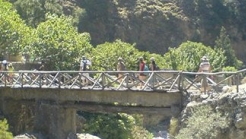
The biggest canyon in Europe and one of the biggest shoreside canyons in the Balkans, it is located in the Chania Prefecture on the White Mountain line, and is a unique experience for any visitor.



GNTO Registry Number: 1039Ε60000070000
Number GE.MI. 118062927000