

Greece
The archaeological collections was recently enriched with the generous offer of coins and numerous findings of various periods, that Adonis Kyrou had collected from all around the island, as well as from other places. A significant number of pictures and various ecclesiastical exhibits also comes from collection, and offers.
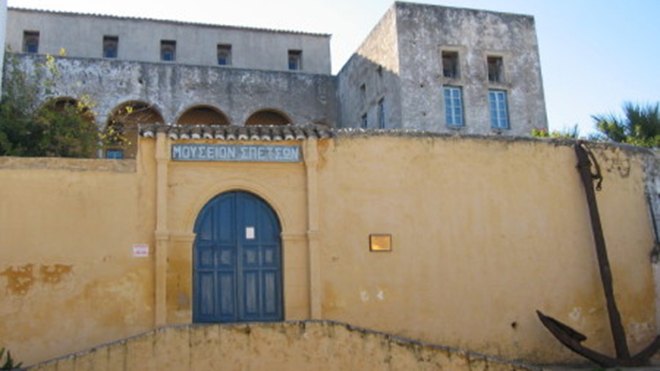
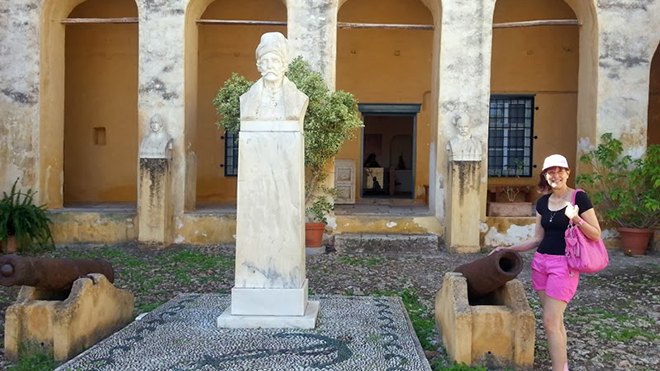
The manor of Chatzigiannis Meksis, in which the museum was later housed, was built between 1795 and 1798 in a Π shape, and is comprised of a ground floor and two upper floors. The exhibits of the museum encompass more than 4000 years of cultural history of the island. The archaeological collections was recently enriched with the generous offer of coins and numerous findings of various periods, that Adonis Kyrou had collected from all around the island, as well as from other places. A significant number of pictures and various ecclesiastical exhibits also comes from collection, and offers.
The flag of the Revolution, the remains of Bouboulina, the portraits and the guns of hers and other fighters, historical documents, personal belongings, pictures of ships, are all a testament to the contribution of the island to the heroic Revolution of 1821.
Finally, the objects of every day use, as well as those of residential and naval woodworking (chests, furniture, figureheads), the costumes and the weavings that we find all around the museum, are invaluable to the way of life of the inhabitants before and after the Revolution.
The museum’s creation is mostly owed to Professor of the University of Athens G. A. Sotiriou. Following his urge, the manor of Chatzigiannis Meksis, one of the first governors of the island during the Rebellion, was given to the State by his heiresses, Kalomoira Meksi and Niketa Thermisioti-Katsina to house the archaeological, historical and folkloral collection of the island.
The Museum of the Battle of Crete and National Resistance 1941-45 Municipality of Heraklion was founded and operates from May 1994.
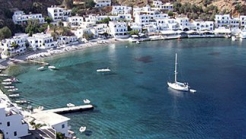
Loutro is a picturesque fishing village in the Sfakia prefecture, accessible via boat from Sfakia.Life here moves at a slow pace, fishing, chatting and swimming at the nearby beaches.
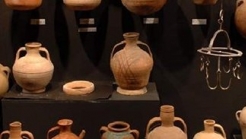
The exhibits cover the 2ND millennium B.C. on the island of Crete. The report presents 3000 exhibits from all over the island of Crete and the ethnic taxonomic status of social work human.



GNTO Registry Number: 1039Ε60000070000
Number GE.MI. 118062927000