

Frangokastello and “Drosoulites” fairy tale meets the drea

The Venetian Heraklion

Marika Kotopouli Museum

Greece
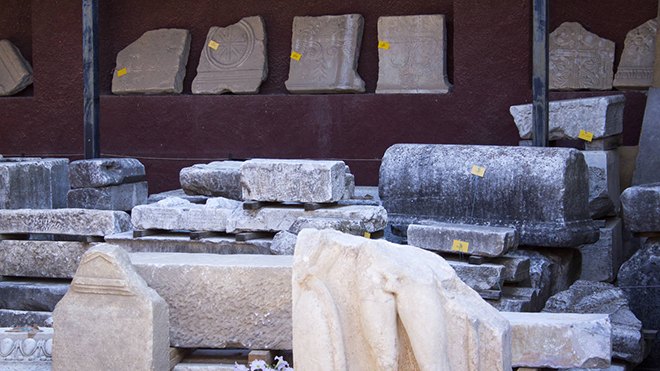
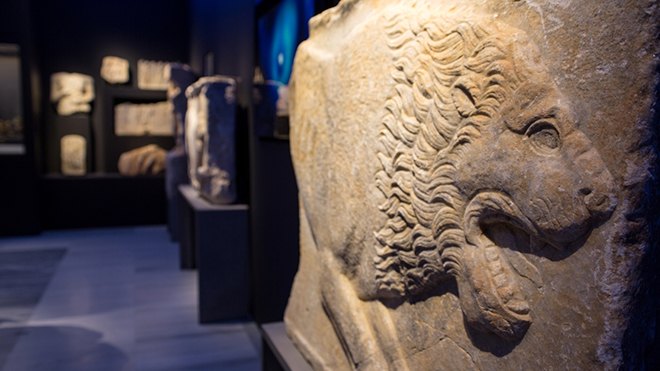
The Tegea Archaeological Museum is a place where the visitor can enjoy works belonging to the highest inspiration times of ancient Greek sculpture.
The Tegea Archaeological Museum is a place where the visitor can enjoy works belonging to the highest inspiration times of ancient Greek sculpture.
The Tegea Archaeological Museum was built between 1907-1908 in what was then known as Piali (now Alea) of Tegea. The purposes of the museum’s construction were two: a) to protect and exhibit all the important finings from the temple of Athena of Alea and b) to collect and safeguard all the ancient findings of Tegea’s land, which were laying around or stacked and not adequetly protected in small local archaeological collections.
Through the Tegea Archaeological Museum’s development, we can observe the efforts of the free Greek nation comcerning the rescue and exhibition of the local culture of Tegea.
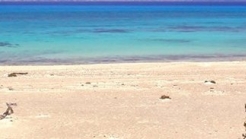
Chrissi, or Gaidouronisi, is an island in the Libyan sea, It is one of the many islands surrounding Crete. located south of Ierapetra.Chrissi is surrounded by many beaches with golden sand, after which its modern name was given.
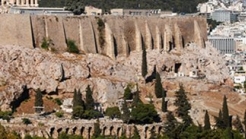
The Acropolis hill was the site for the most important and glamorous temple of the ancient city, dedicated to Athena, the protector godess of the city. This sacred site is connected to the most important myths of ancient Athens, the great religious ceremonies.
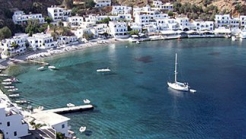
Loutro is a picturesque fishing village in the Sfakia prefecture, accessible via boat from Sfakia.Life here moves at a slow pace, fishing, chatting and swimming at the nearby beaches.

GNTO Registry Number: 1039Ε60000070000
Number GE.MI. 118062927000