

Greece
The aim of the exhibition is not only to provide info on the games in ancient times, but also to initiate the visitor in what the Olympics were.
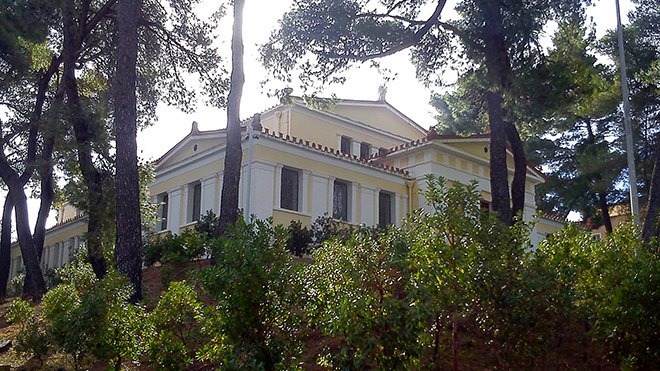
Museum of the history of the Ancient Olympics
The most important exhibits are golden rings-stamps with the first depictions of sports, representative of the Minoan and Mycenaean art, copper and clay figurines of warriors and chariots from Olympia which are the first displays of the historic times pointing to chariot races, various objects that the athletes used, such as discii, The aim of the exhibition is not only to provide info on the games in ancient times, but also to initiate the visitor in what the Olympics were.
east and west pediment of the temple of Zeus were housed, as well as the facades, while at the fsr edge of the room the statue of Peonios Nike was prominent.
The old museum building sustained severe damages during the earthquakes that struck the area in 1954. Restoration and renovation had been routed since 1980. But only in 1999, owing to the Athens Olympics of 2004 did the restorations begin, after the completion of the needed studies. The restoration works were completed in 2003, and then the works for the laying of the exhibition on the History of the Ancient Olympics began.<span style="\"font-size:" medium;\"=""> For this reason, many different teams of the Ministry of Culture worked, in order for the project to be completed in time. The exhibition opened its gates on 24/3/2004. Moreover, teachers recommended the exhibition as an excellent teaching tool.

A TIME TRAVEL THROUGH MUSIC Now in its 5th year over 100,000 fans of music have enjoyed the unique Matala Beach Festival on the sands made famous during the hippie era of the 1960s and 70s. Matala Beach attracted international media attention in the 1970s when Joni Mitchell included the song 'C
The Museum of the Battle of Crete and National Resistance 1941-45 Municipality of Heraklion was founded and operates from May 1994.
Recently renovated mansion of Aktarika downtown and going to house the Vikelaia Library of Heraklion, a cultural institution with a great history which has justly been called "Academy of Sciences", as in previous years produced sufficient spiritual project in Humanities and the Arts .



GNTO Registry Number: 1039Ε60000070000
Number GE.MI. 118062927000