

Greece
The purpose of the exhibition is to present the long lasting history of the island, and the short depiction of various aspects of human life, as it has been shifting through the ages.
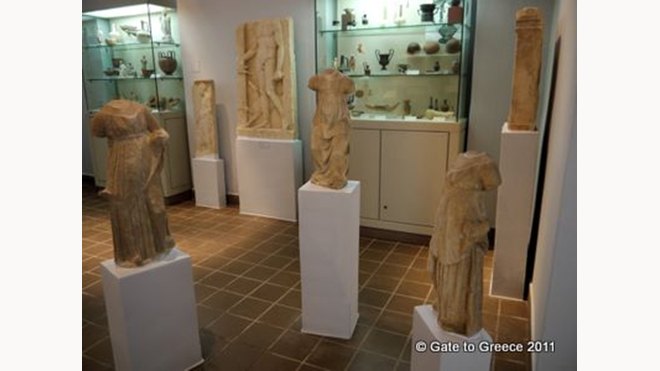
The Chalkida archaeological museum is housed in a building of the beginning of the 20th century and includes findings from all around Evvoia.
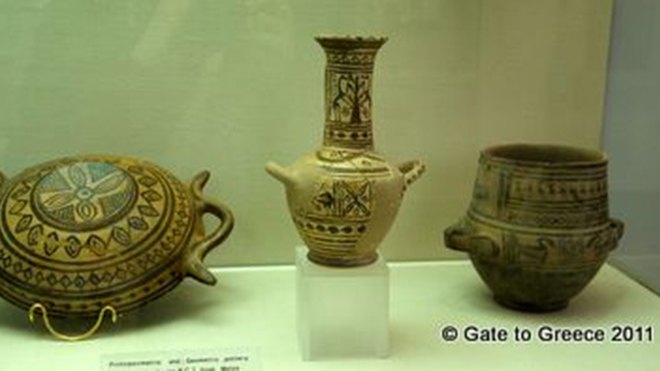
The exhibits date from the Paleolithic to the Late Roman times and come from various digs in Evvoia.
In the three rooms of the museum, the Permanent Exhibition exhibits have been arranged by date, so that the visitor can get a full image of the ancient Evvoia.
The exhibition has been organized in such a way as to briefly present the history of the island, while at the same time to pinpoint the significant themes of ancient monuments.
The purpose of the exhibition is to present the long lasting history of the island, and the short depiction of various aspects of human life, as it has been shifting through the ages.
The Archaeological Museum Sitia began operating in 1984, one hundred years after the first excavations of the Italian Archaeological School. Largest and richest whole antiquities is considered to be the palace of Zakros were built with many and great findings, some of which are masterpieces of Minoan art.
The palace of Knossos is The most famous architectural edifice of the Minoan civilization, which is the first flourished in Europe. Knossos is the most visited place for all who come to Crete and want to closely admire the splendor of the Minoans.
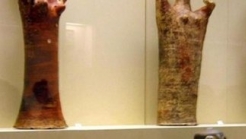
The exhibits of the Mycenae Archaeological Museum come from Mycenae and the spots that have been investigated in the surrounding areas and are accompanied by explanatory material, such as information, identification tabs of the exhibits, maps, drawings and recreations.



GNTO Registry Number: 1039Ε60000070000
Number GE.MI. 118062927000