

Greece
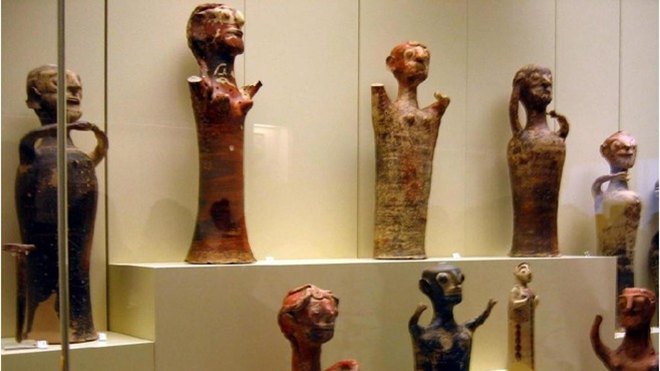
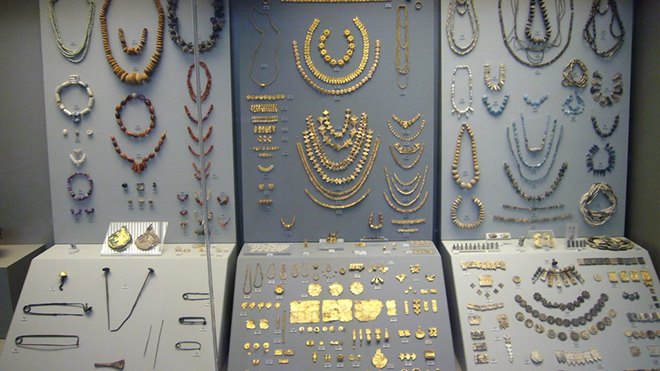
The exhibits of the Mycenae Archaeological Museum come from Mycenae and the spots that have been investigated in the surrounding areas and are accompanied by explanatory material, such as information, identification tabs of the exhibits, maps, drawings and recreations.
Construction for the Mycenae Archaeological Museum began in 1985. The building was completed in 1997. The choice for the location of the museum and the building ’s design, stemmed from the need to house the great amount of material of Mycenae, and at the same time to create an exhibition with a view to inform and teach, displaying in their natural habitat the consecutive usages of the place, and promote Mycenaean civilization.
The exhibits come from Mycenae and the spots that have been investigated in the surrounding areas, and represents the entire time span from the beginning of the Copper Era, around 3000BC to the Hellenistic times, during the 2nd century BC. It comprises of 2.500 exhibits, mostly clay, but also iron, stone, small scale works of art, gold, ivory and murals.
The exhibits are spread out in four distinct parts, structured based on theme and time. The first two are about the Copper Era, with themes such as the life of Mycenaeans and their afterlife, the third about the usage of the place during the Historic times, and the fourth about the Mycenaean civilization.
The exhibits are accompanied by explanatory material, such as information, identification tabs of the exhibits, maps, drawings and recreations.
The archaeological collections was recently enriched with the generous offer of coins and numerous findings of various periods, that Adonis Kyrou had collected from all around the island, as well as from other places. A significant number of pictures and various ecclesiastical exhibits also comes from collection, and offers.
The Archaeological Museum St. Nicholas was founded in 1970 with a view to report findings from Eastern Crete.
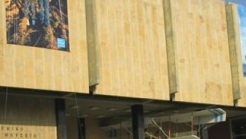
The Athens War Museum (Greek: Πολεμικό Μουσείο), established on July 18, 1975, is the museum of the Greek Armed Forces



1039 Ε 6061 01515 00