

Priory Museum Toplou Monastery

Museum of European Border Guard Corps Europe

Mycenae Archaeological Museum

Greece
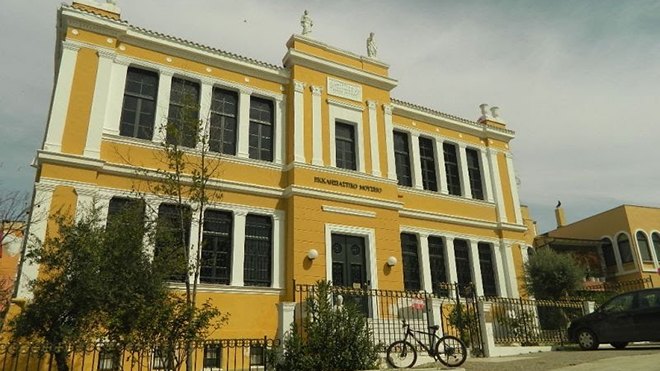
The Alexandroupoli Ecclesiastical Museum houses the collection of ecclesiastic objects that were collected from the churches and monasteries of the Alexandroupoli Metropolis.
The Alexandroupoli Ecclesiastical Museum houses the collection of ecclesiastic objects that were collected from the churches and monasteries of the Alexandroupoli Metropolis. The exhibits date back to the 15th, 16th 17th century.
The Alexandroupoli Ecclesiastical Museum is housed in the Leontarideios school, next to the Metropolis. The collection also contains threefolds, single pages of threefolds, a wooden temple cross, two crucifixes of litany, a picture depicting the Epitaph Weep, two mourning figures and a two fold wood engraved pray text.
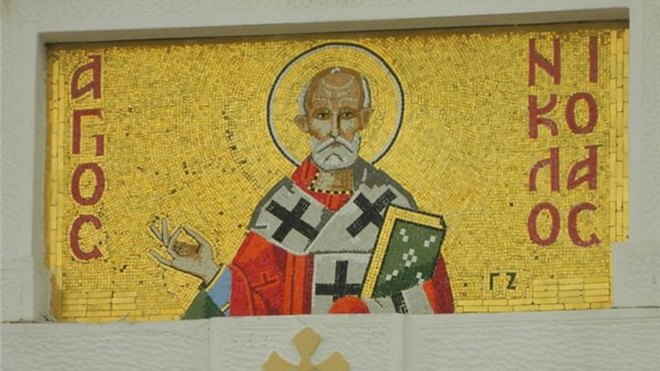
Concerning the theme of the museum, the pictures cover the entire span of thr orthodox dogmatic hierarchy. There is a great variety of standardized depictions of Christ, Mary and many saints, who correspond to the Church’s diary of Saints and name days, nut also to the need for leturgic use and adoration. Of special interest are the inscriptions with the names of the painters, dedicators and offerers.
The old venetian building that was at the beginning of the 20th century one of the first industrial areas of the island, it is now a modern Museum space high standards.
The Alexandroupoli Ecclesiastical Museum houses the collection of ecclesiastic objects that were collected from the churches and monasteries of the Alexandroupoli Metropolis.
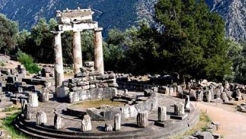
In 1927, the first Delphi Celebrations were organized by Aggelos and Eva Sikelianou. The poet visualized an international centre, where a «league of select few» will meet, just as in ancient times, in order to ease the controversies between nations and to ensure global and permanent peace (Delphic Idea).

GNTO Registry Number: 1039Ε60000070000
Number GE.MI. 118062927000